


In recent years, the food delivery industry has witnessed a significant transformation with the introduction of food delivery drones. As a supplier of these innovative delivery solutions, I've had a front - row seat to observe how these drones stack up against traditional food delivery methods. This blog post aims to provide a comprehensive comparison between the two, highlighting the advantages and limitations of each.
Speed and Efficiency
One of the most prominent benefits of food delivery drones is their unparalleled speed. Traditional food delivery methods rely on vehicles such as cars, motorcycles, or bicycles, which are subject to traffic congestion. In urban areas, traffic can cause significant delays, leading to customers waiting longer for their meals. For instance, during peak hours in a large city, a delivery driver might get stuck in traffic for an hour or more.
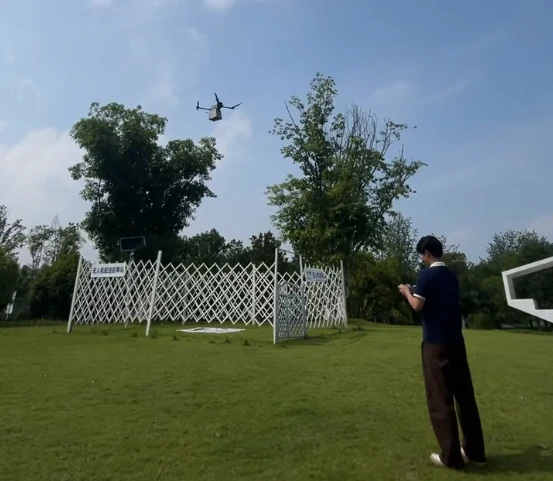
On the other hand, food delivery drones can fly directly to their destination, bypassing traffic completely. They can reach customers in a fraction of the time it takes for traditional delivery methods. For example, a Last - mile Delivery Drone can cover a short distance in just a few minutes, ensuring that the food is delivered while it's still hot and fresh. This speed not only improves customer satisfaction but also allows restaurants to serve more customers in a shorter period.
However, the speed of drones comes with some limitations. Drones are affected by weather conditions such as strong winds, heavy rain, or snow. In adverse weather, their flight may be delayed or even canceled, while traditional delivery methods can still operate, albeit at a slower pace.
Cost - effectiveness
When it comes to cost, the comparison between food delivery drones and traditional methods is multi - faceted. Traditional food delivery requires a significant investment in vehicles, fuel, and labor. The cost of purchasing and maintaining a fleet of delivery cars or motorcycles can be substantial. Additionally, drivers need to be paid a wage, which adds to the overall delivery cost.
Food delivery drones, once purchased, have relatively lower operating costs. They don't require fuel in the traditional sense and have fewer maintenance requirements compared to vehicles. For a long - term perspective, as the technology matures and the production of drones becomes more streamlined, the initial purchase cost is also expected to decrease. Our Cargo Delivery Drone is designed to be cost - effective, with a low - energy consumption design that reduces the overall cost per delivery.
But the initial investment in drone technology can be high. There are also costs associated with obtaining the necessary permits and licenses to operate drones for commercial food delivery. Moreover, in case of a drone malfunction, the replacement cost can be significant.
Safety and Reliability
Safety is a crucial aspect of food delivery. Traditional food delivery methods have well - established safety protocols. Drivers are trained to follow traffic rules, and vehicles are regularly inspected to ensure they are in good working condition. However, there is still a risk of accidents on the road, which can lead to damage to the food and potential harm to the driver.
Food delivery drones are equipped with advanced safety features such as collision avoidance systems and GPS tracking. These features help to minimize the risk of accidents. However, the reliability of drones can be a concern. Technical glitches, software malfunctions, or interference from external factors can cause a drone to malfunction. In addition, there are concerns about the security of the food during the flight. For example, there is a risk of the food being exposed to the elements or even being stolen if the drone is not properly secured.
Environmental Impact
In an era where environmental concerns are at the forefront, the environmental impact of food delivery methods is an important consideration. Traditional food delivery methods, especially those using fossil - fuel powered vehicles, contribute to air pollution and greenhouse gas emissions. The constant movement of delivery vehicles in urban areas adds to the overall carbon footprint of the food delivery industry.
Food delivery drones, on the other hand, are generally more environmentally friendly. Most drones are electrically powered, which means they produce zero emissions during flight. By using Grocery Delivery Drones, we can significantly reduce the carbon footprint associated with food and grocery delivery. This not only benefits the environment but also aligns with the growing consumer demand for sustainable practices.
Flexibility and Accessibility
Traditional food delivery methods offer a high degree of flexibility. Delivery drivers can reach almost any location as long as there is a drivable road. They can also handle a variety of delivery sizes and types of food. For example, they can deliver large catering orders or bulky items that may not fit in a drone.
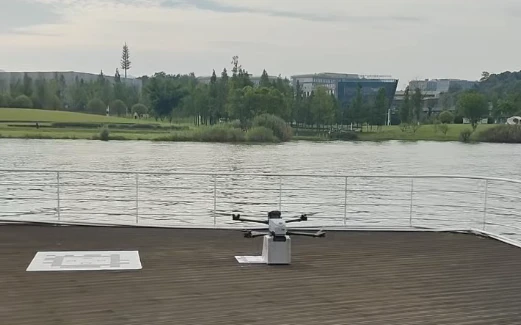
Food delivery drones, however, have some limitations in terms of flexibility. They have a limited payload capacity, which means they can only carry a certain amount of food at a time. Additionally, drones are restricted to flying in certain areas due to regulations. For instance, they cannot fly over crowded places or near airports. But they do offer better accessibility in some remote areas where roads may be poor or non - existent. A drone can quickly reach a customer's location in a rural area, delivering their food in a timely manner.
Customer Experience
The customer experience is the ultimate goal of any food delivery service. Traditional food delivery provides a personal touch. Customers can interact with the delivery driver, which can enhance the overall experience. Delivery drivers can also provide additional services such as bringing the food inside the customer's premises or helping with special requests.
Food delivery drones offer a different kind of customer experience. They provide a high - tech and futuristic feel, which can be appealing to many customers. The speed of delivery ensures that the food is served fresh, which is a major plus. However, the lack of personal interaction may be a drawback for some customers who prefer a more traditional service.
Conclusion
Both food delivery drones and traditional food delivery methods have their own unique advantages and limitations. Food delivery drones offer speed, cost - effectiveness in the long run, environmental friendliness, and better accessibility in some areas. Traditional food delivery methods, on the other hand, provide flexibility, a personal touch, and are less affected by adverse weather conditions.
If you are a restaurant owner or a food delivery service provider looking to enhance your delivery operations, food delivery drones can be a great addition to your fleet. They can help you improve delivery speed, reduce costs, and appeal to a tech - savvy customer base. As a food delivery drone supplier, we are committed to providing high - quality drones that meet your specific needs.
If you are interested in learning more about our food delivery drones or would like to discuss a potential purchase and partnership, please reach out. We are eager to have in - depth discussions about how our drones can revolutionize your food delivery business.
